When is the best time to visit Lauterbrunnen?
There is no single best time, it depends what you want. For skiing, January and February have the deepest, most reliable snow. For hiking, June to September offer the full trail network and long days. For waterfalls at full power, late spring (April–June) is best, fed by snowmelt. For the lowest prices and fewest crowds, come in November or the shoulder weeks of early December and late April.
How do I get to Lauterbrunnen from Zurich Airport?
By train, with no car needed. From Zurich Airport take a train to Interlaken Ost (around 2 hours, usually one change), then the regional line up to Lauterbrunnen (about 30 minutes). The whole journey is roughly 2.5–3 hours and is covered by the Swiss rail network. Lauterbrunnen station is in the village, a short walk from most accommodation.
Can you ski directly from Lauterbrunnen?
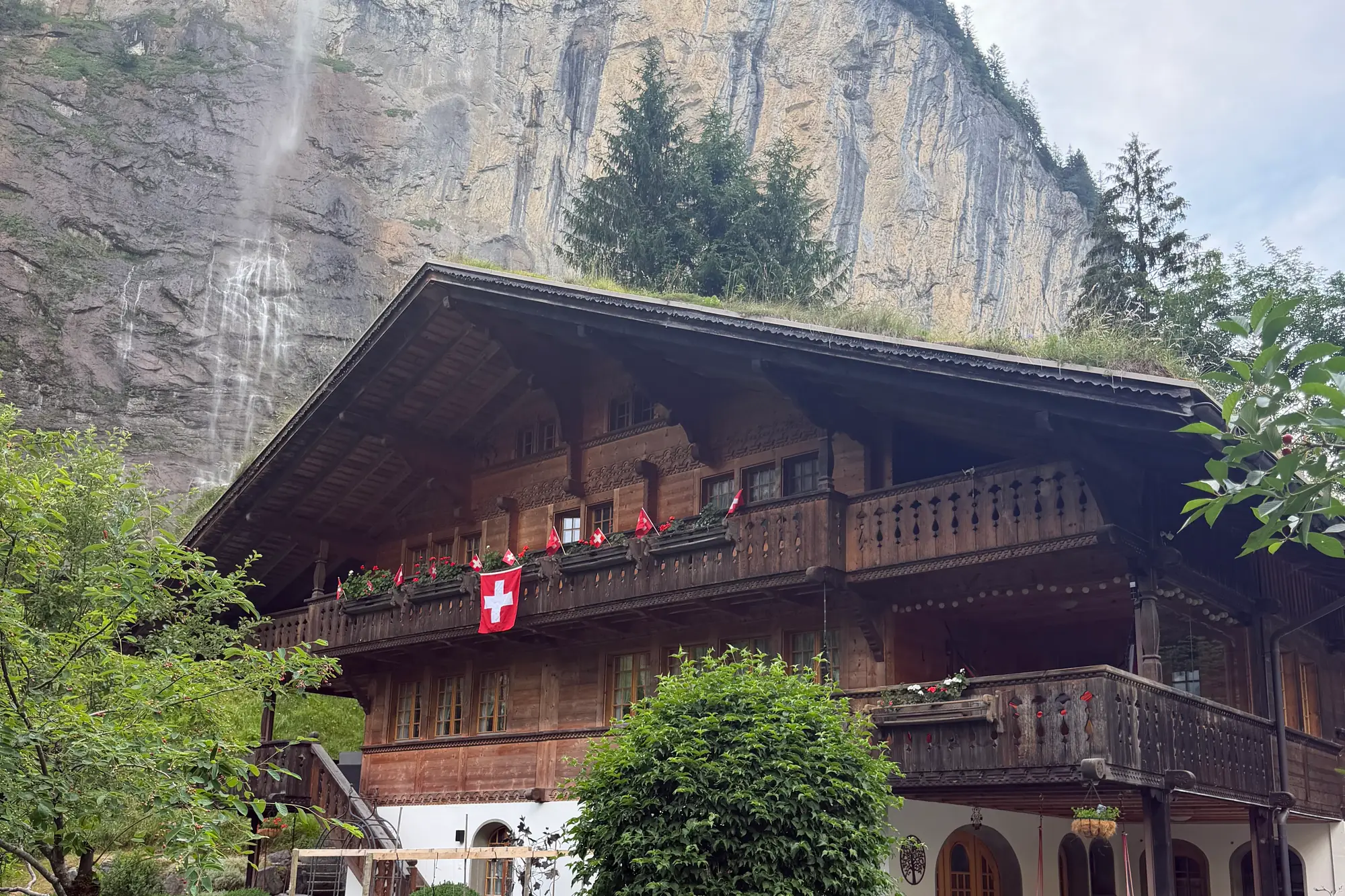
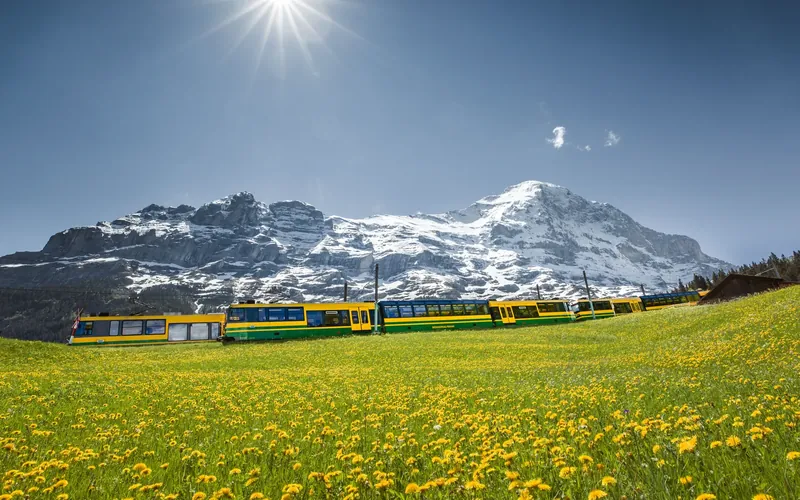
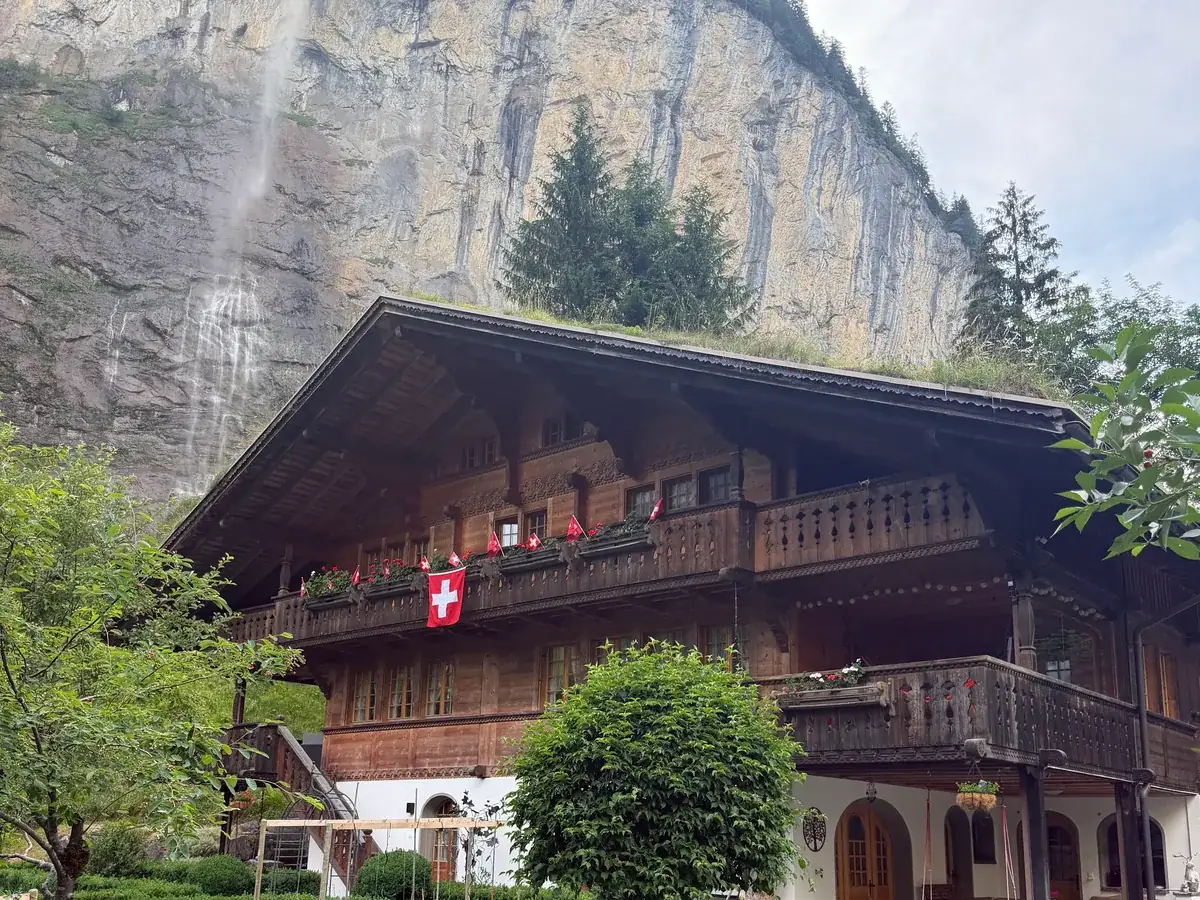
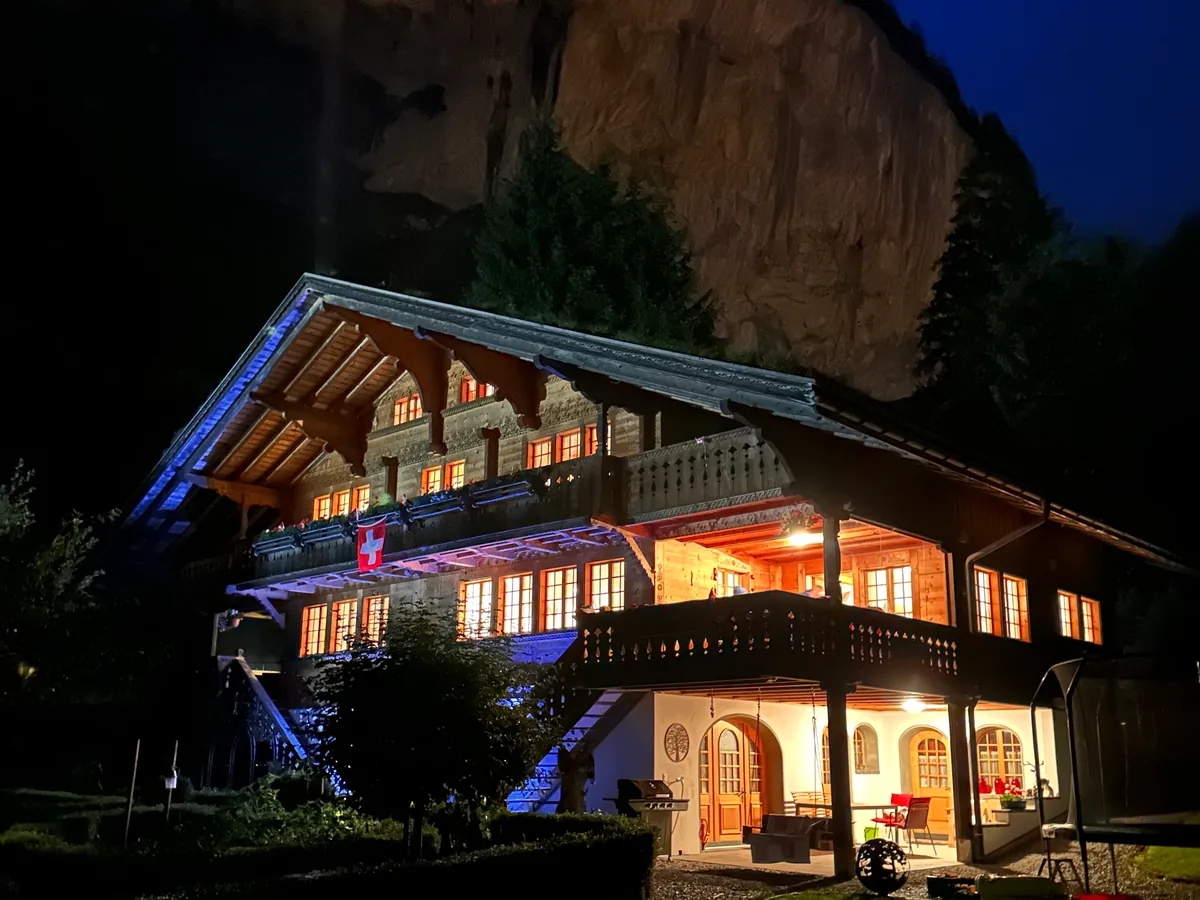
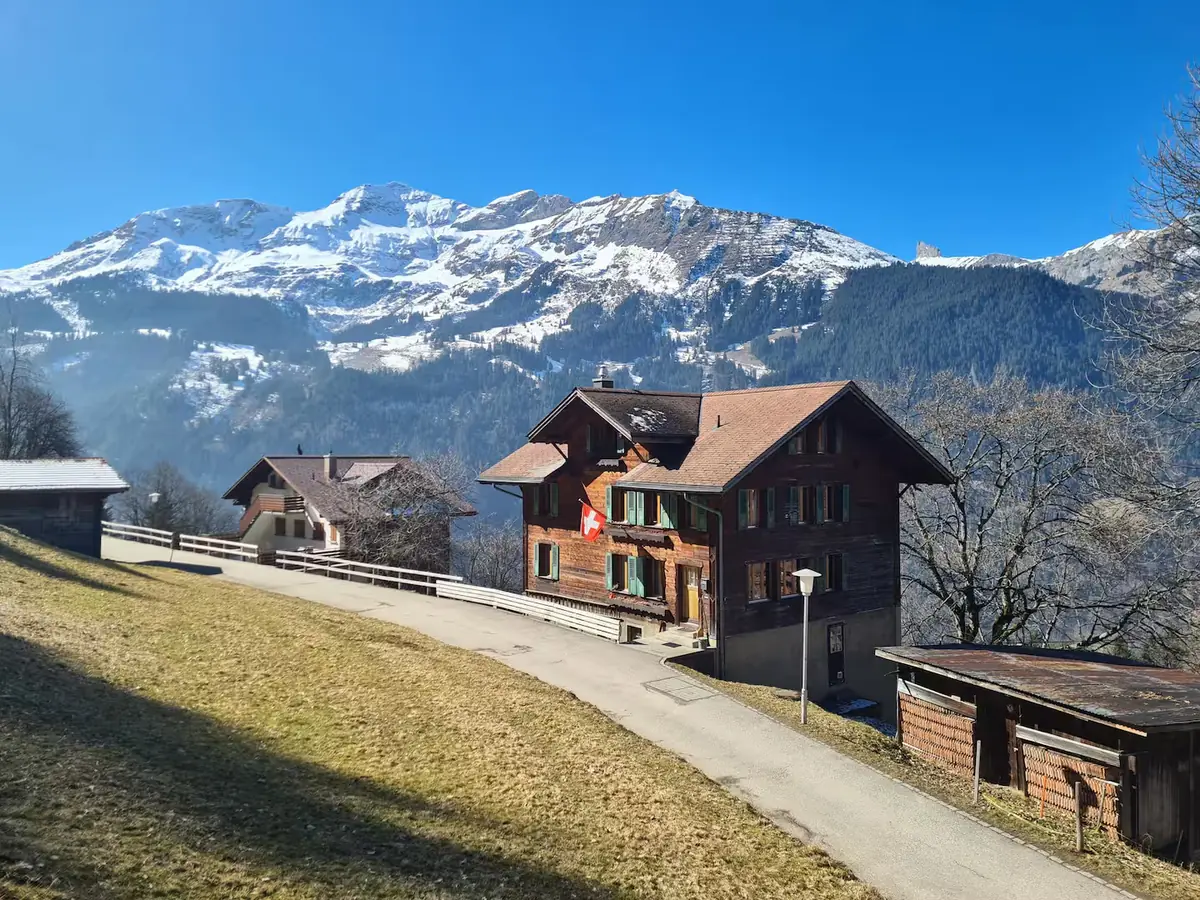
Not from the valley floor itself, Lauterbrunnen sits at 800 m, below the snow line for much of the season. You stay in the valley and ride up by cog railway to Wengen or cable car to Mürren, both car-free villages that open onto the 211 km Jungfrau ski region. Chalet Staubbach is a short walk from the village, and right by the ski-shuttle stop in winter.
What is there to do in Lauterbrunnen when it rains or there's a whiteout?
Plenty. In summer the Trümmelbach Falls (waterfalls inside the mountain), the St Beatus Caves, the Funky Chocolate Club workshop and the Ballenberg open-air museum are all weather-proof. In winter, when lifts go on wind-hold, there's skating and curling at the Bödeli ice centre, a spa day at Beatus on Lake Thun, and indoor climbing at Orbit in Wilderswil.
What is the Lauberhorn and when does it take place?
The Lauberhorn is the longest and one of the fastest downhill races on the alpine Ski World Cup, held every January in the car-free village of Wengen above Lauterbrunnen. The 2027 races run 15–17 January. Tens of thousands attend and Wengen sells out a year ahead, so many visitors stay on the valley floor in Lauterbrunnen and ride up.
Where should I stay to visit the Lauterbrunnen valley?
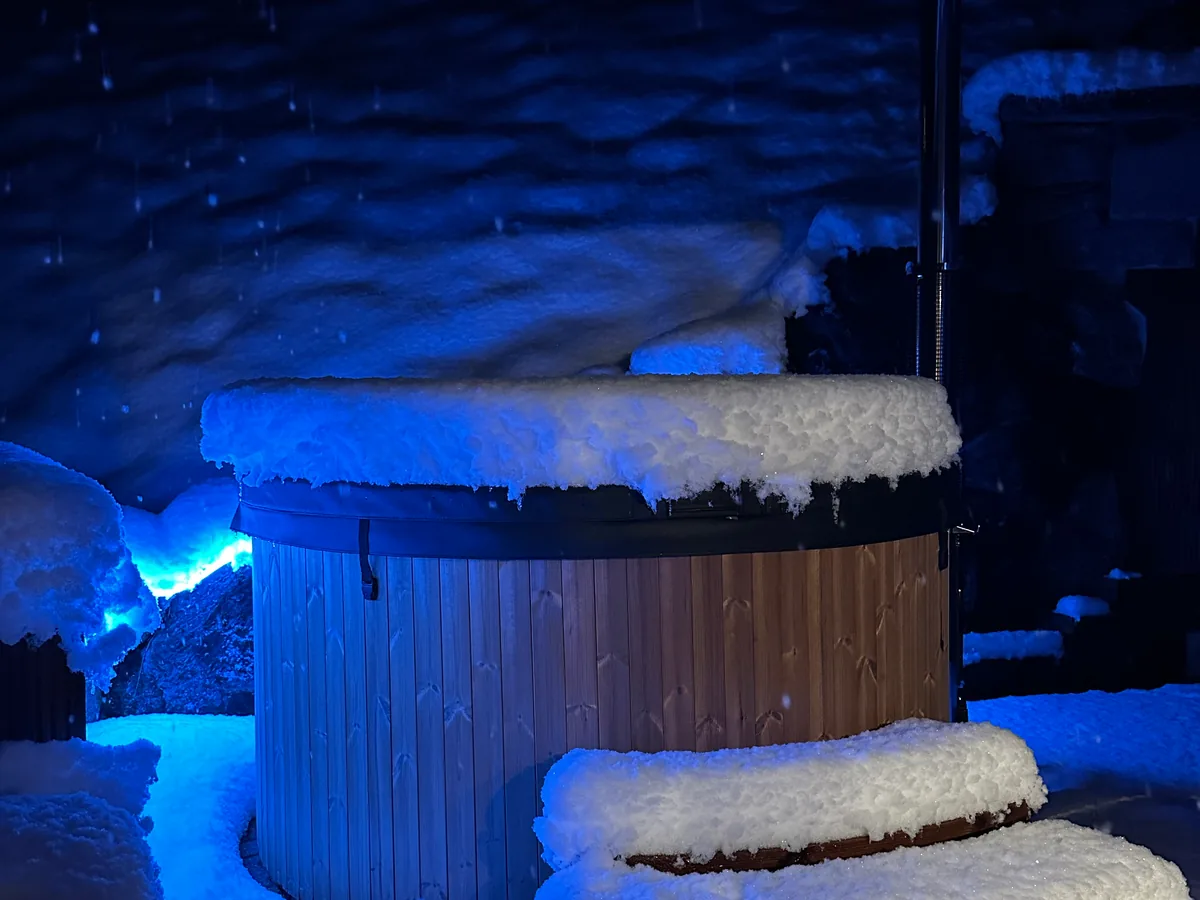
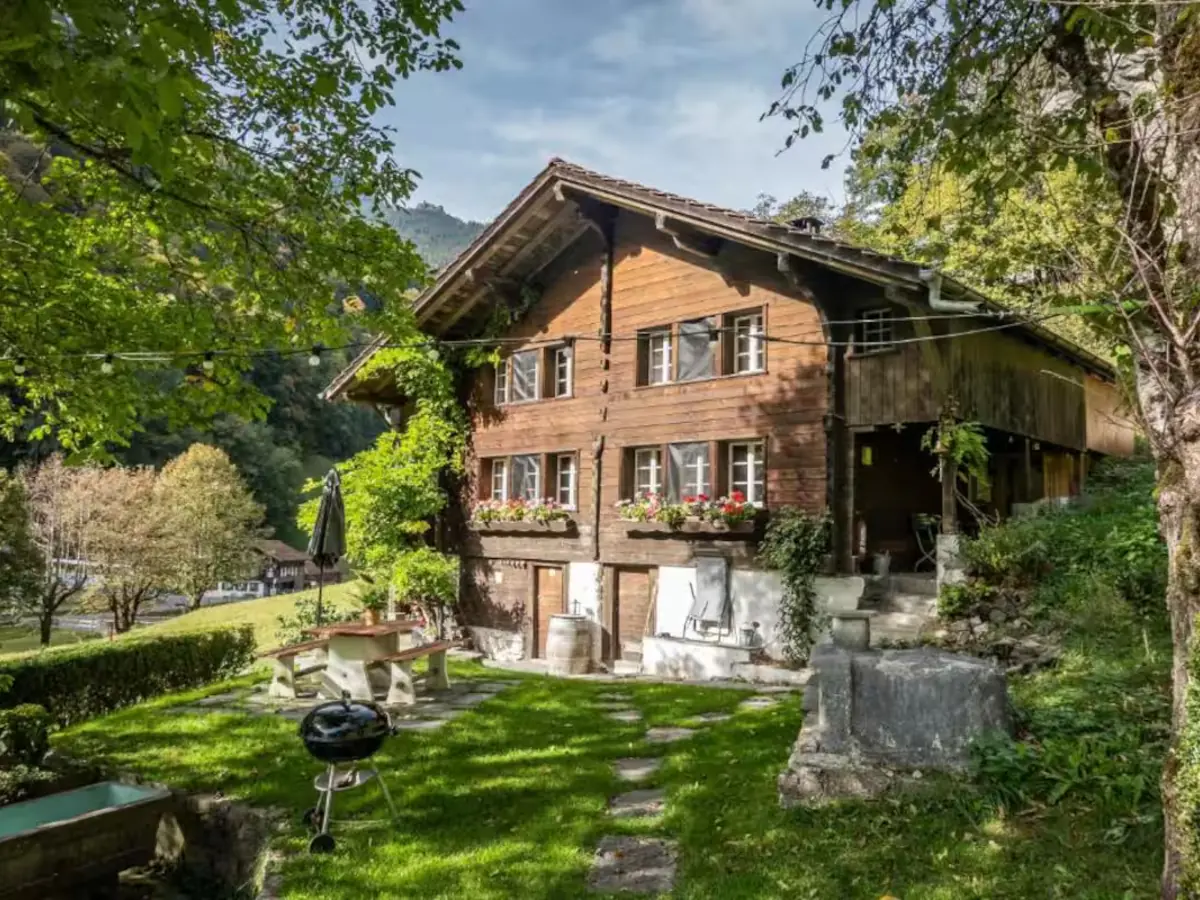
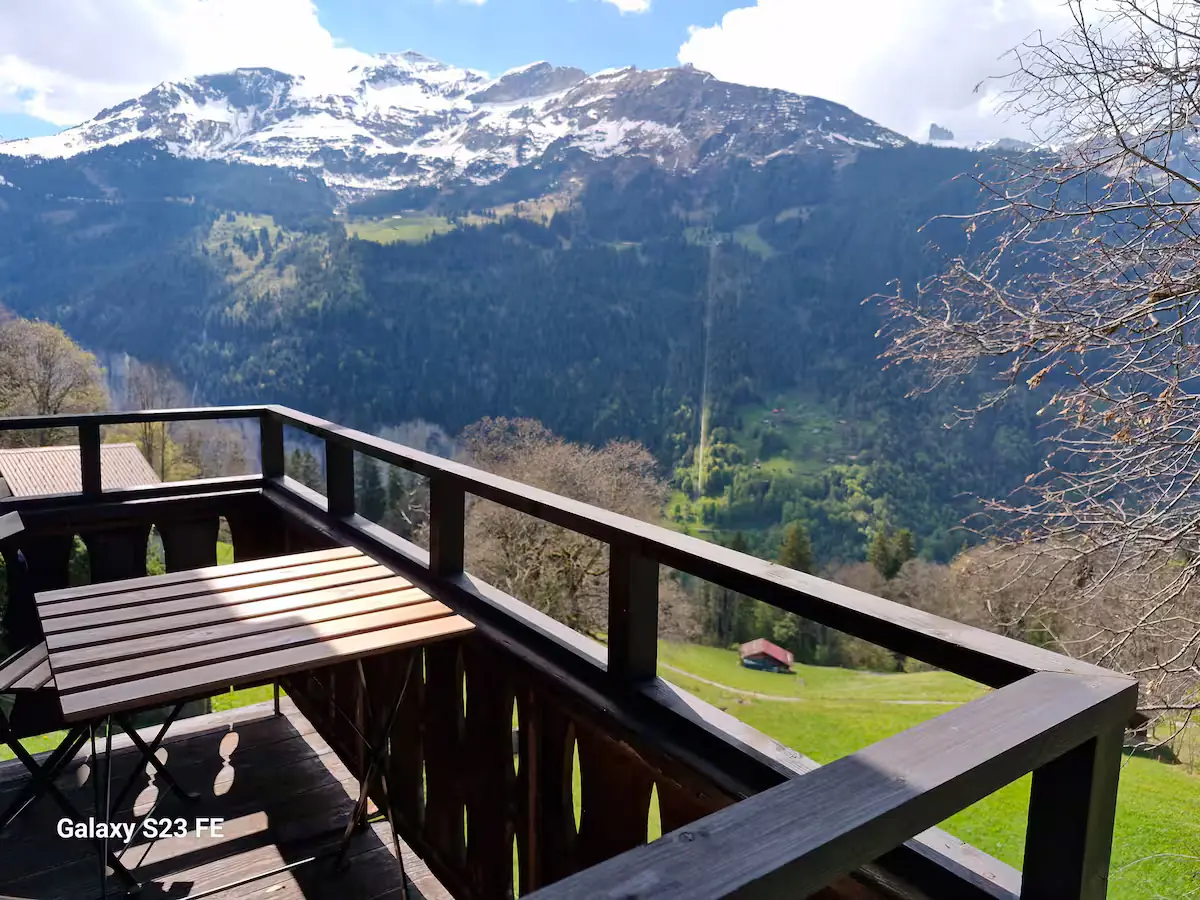
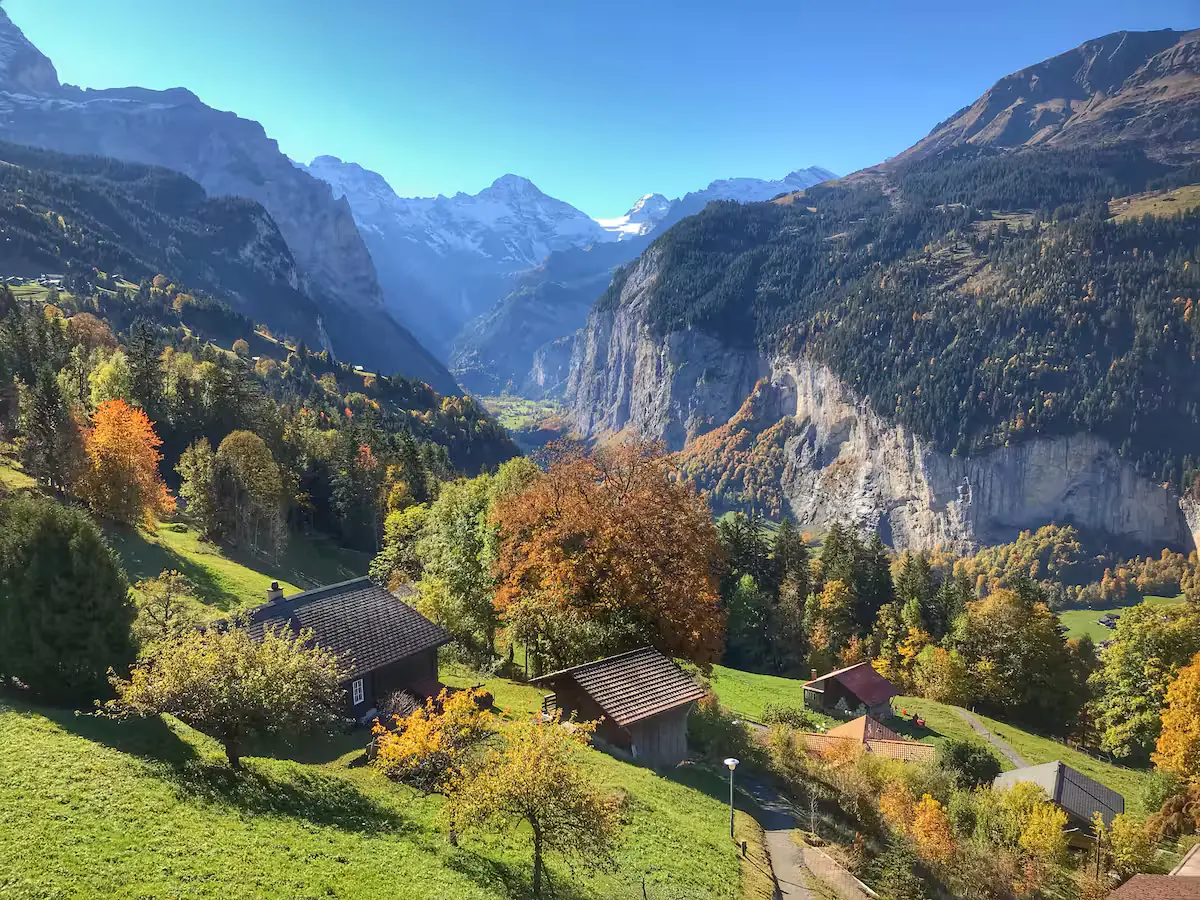
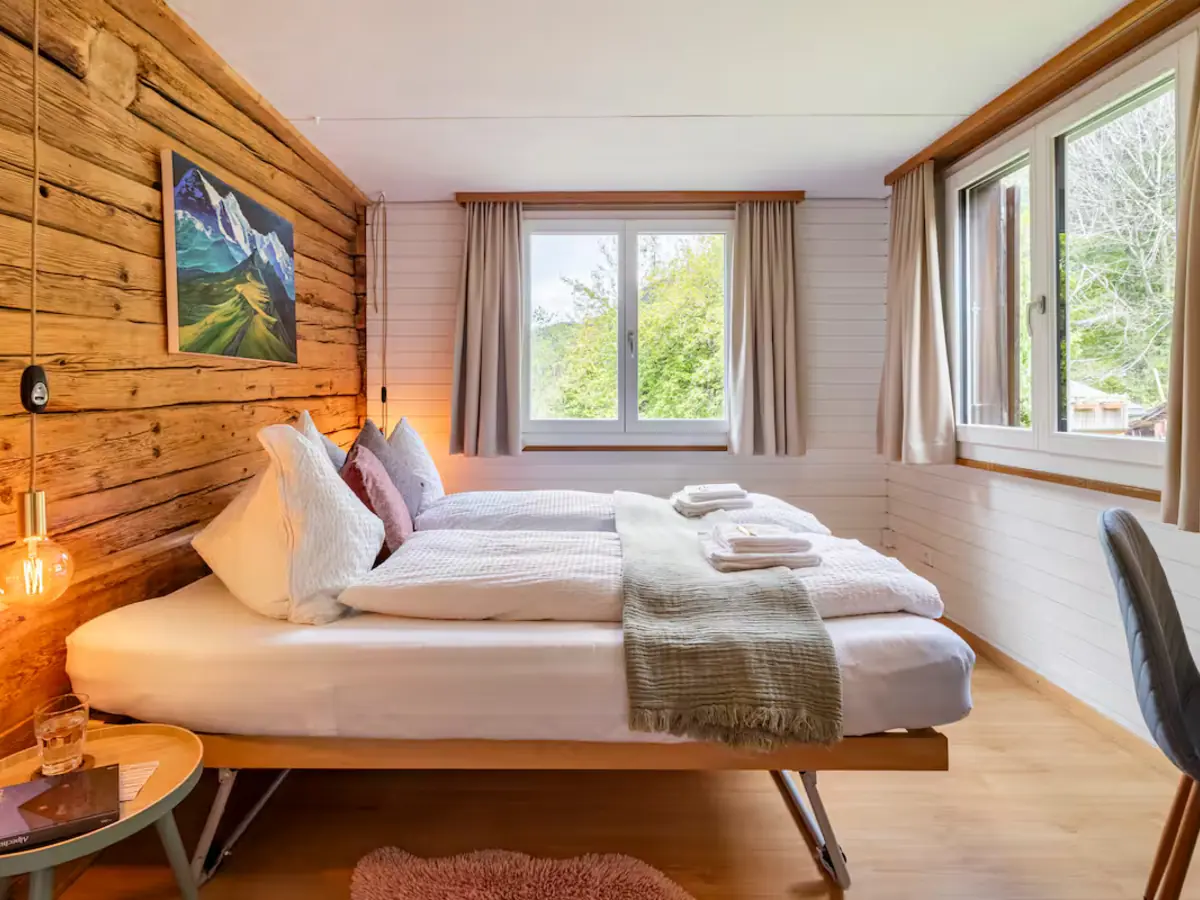
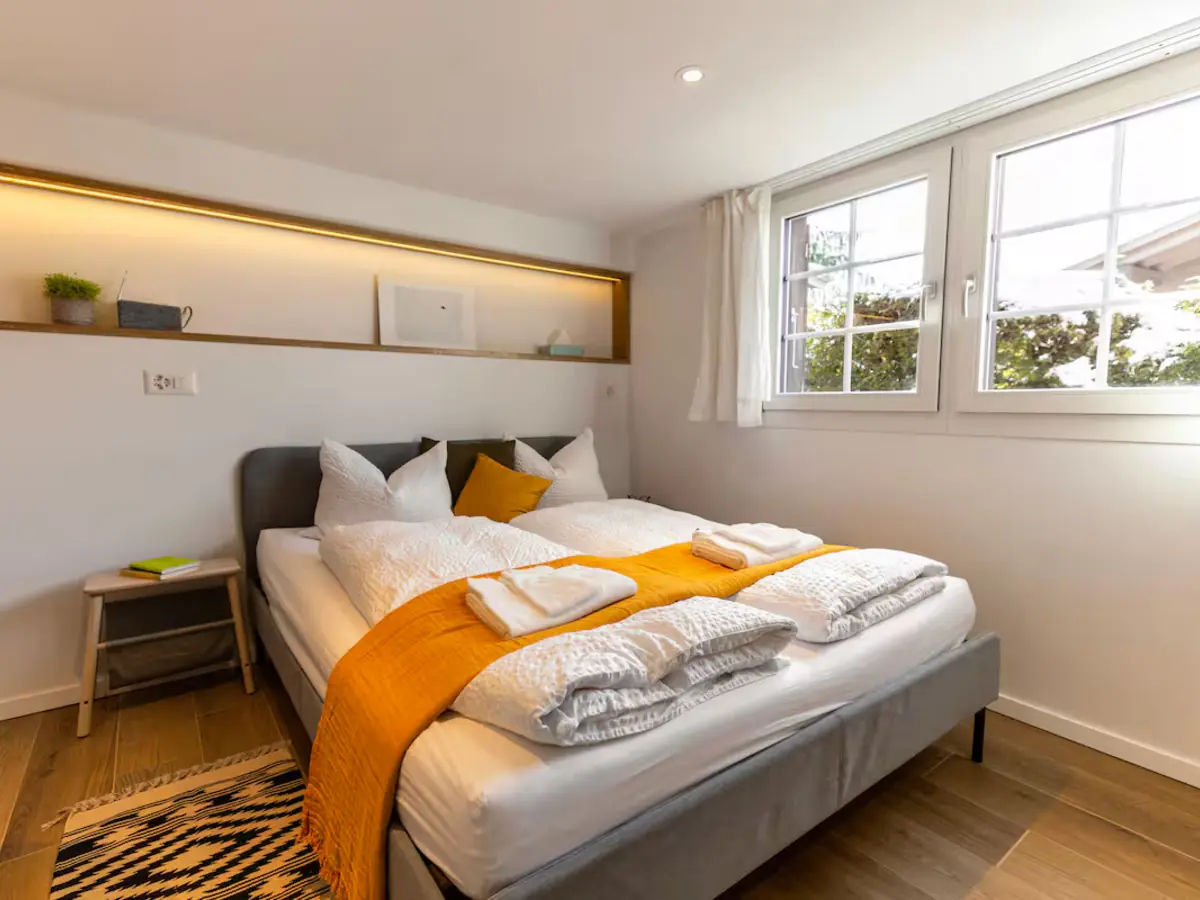
Lauterbrunnen village on the valley floor is the most practical and best-value base: it has the train station, shops, the ski shuttle and direct access to both the hiking trails and the lifts up to Wengen and Mürren. Chalet Staubbach offers an apartment and two studios here, a short walk from the village, with views of the Staubbach Falls; The Apartment has its own private wood-fired hot tub.
Is Lauterbrunnen worth visiting in winter?
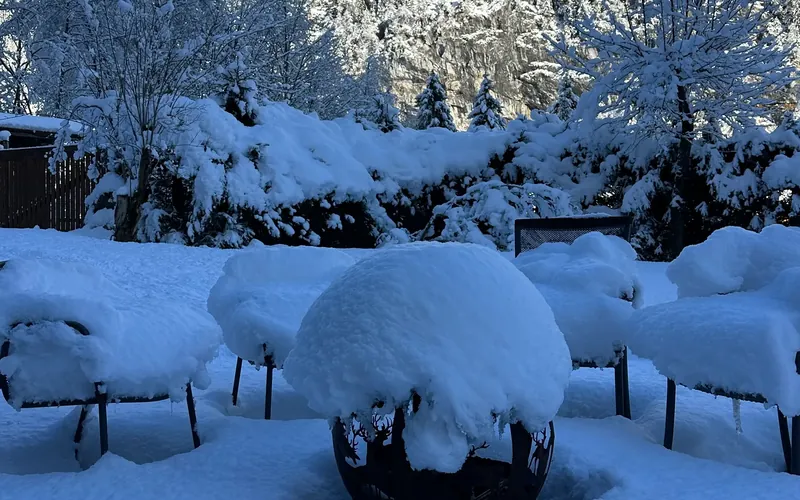
Yes. Winter is quieter and better value than the summer waterfall season, with the Jungfrau ski region's 211 km of pistes a short ride up, the Lauberhorn World Cup in January, sledging including one of Europe's longest toboggan runs, and the valley's waterfalls often frozen into ice. December and the weeks after the Lauberhorn are especially calm and affordable.
How many days do you need in Lauterbrunnen?
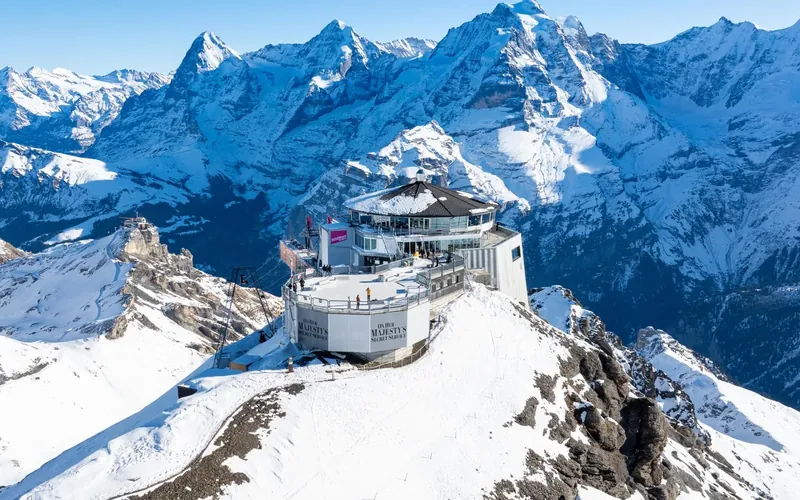
Three to four nights is a comfortable minimum, enough for a couple of signature hikes or ski days, a trip up to a viewpoint like the Schilthorn or Jungfraujoch, and a weather-proof day in reserve. A week lets you settle into the valley properly and ride out any bad-weather days without losing the trip.