Does Lauterbrunnen get fog and low cloud?
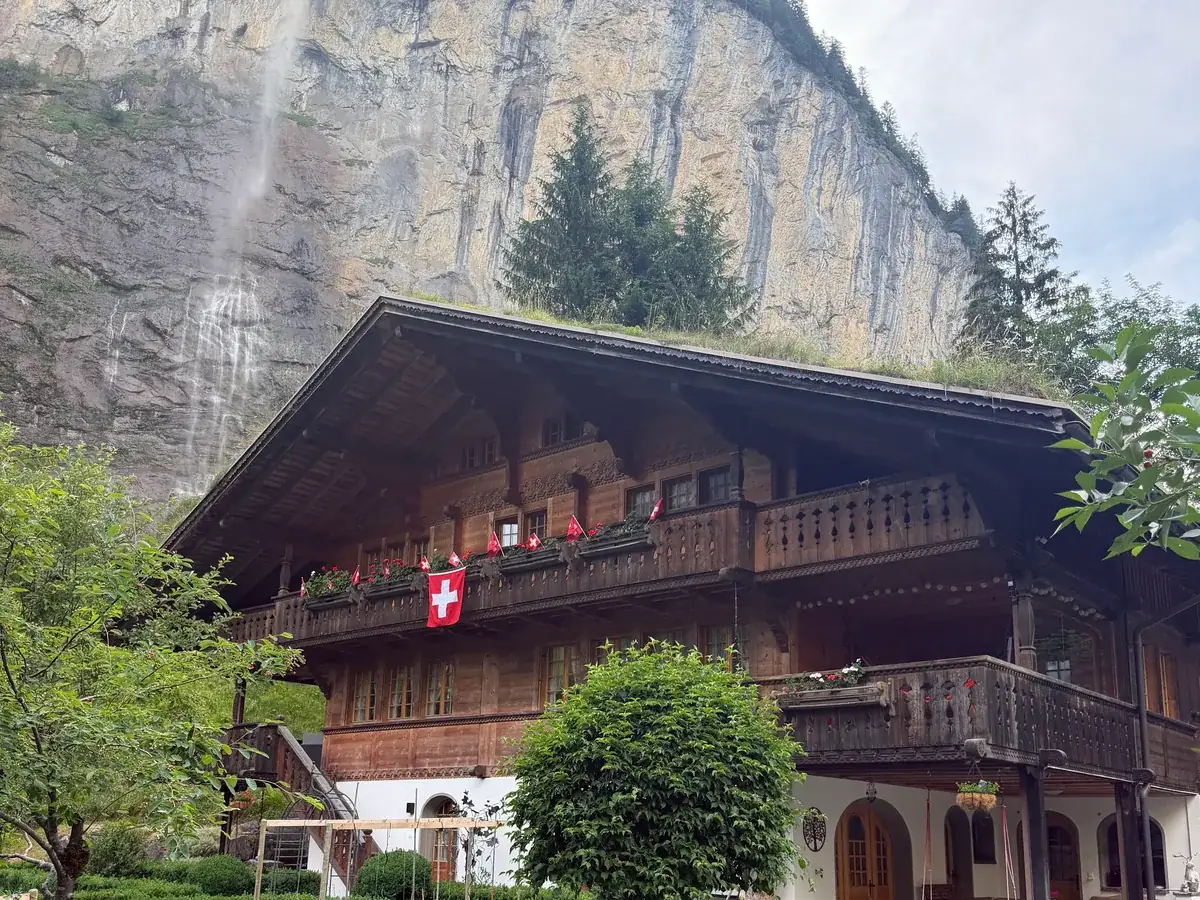
Yes. This is the thing the postcards never mention: because the valley is narrow and deep, low cloud and fog can settle on the valley floor, especially in late autumn and winter, and the high walls mean the sun reaches the bottom for only a few hours even on a clear midwinter day. Some visitors find the valley atmospheric in that mood; others find it gloomy. Both reactions are fair.
The trick: go up
The single most useful thing to know is that the weather on the valley floor and the weather up top are often completely different. When Lauterbrunnen is grey and damp, Wengen, Mürren and the high pistes are frequently above the cloud in full sun. Check the mountain webcams in the morning; if the valley is socked in, ride up rather than writing the day off. That one habit rescues most “bad weather” days here.
Season by season, plainly
- Spring (Apr–May): snowmelt, powerful waterfalls, changeable, sun and showers in the same day.
- Summer (Jun–Aug): warmest and greenest, but afternoon thunderstorms are common and it is the busiest, so mornings are best.
- Autumn (Sep–Oct): often the most stable, clear spells, fewer people, an underrated window.
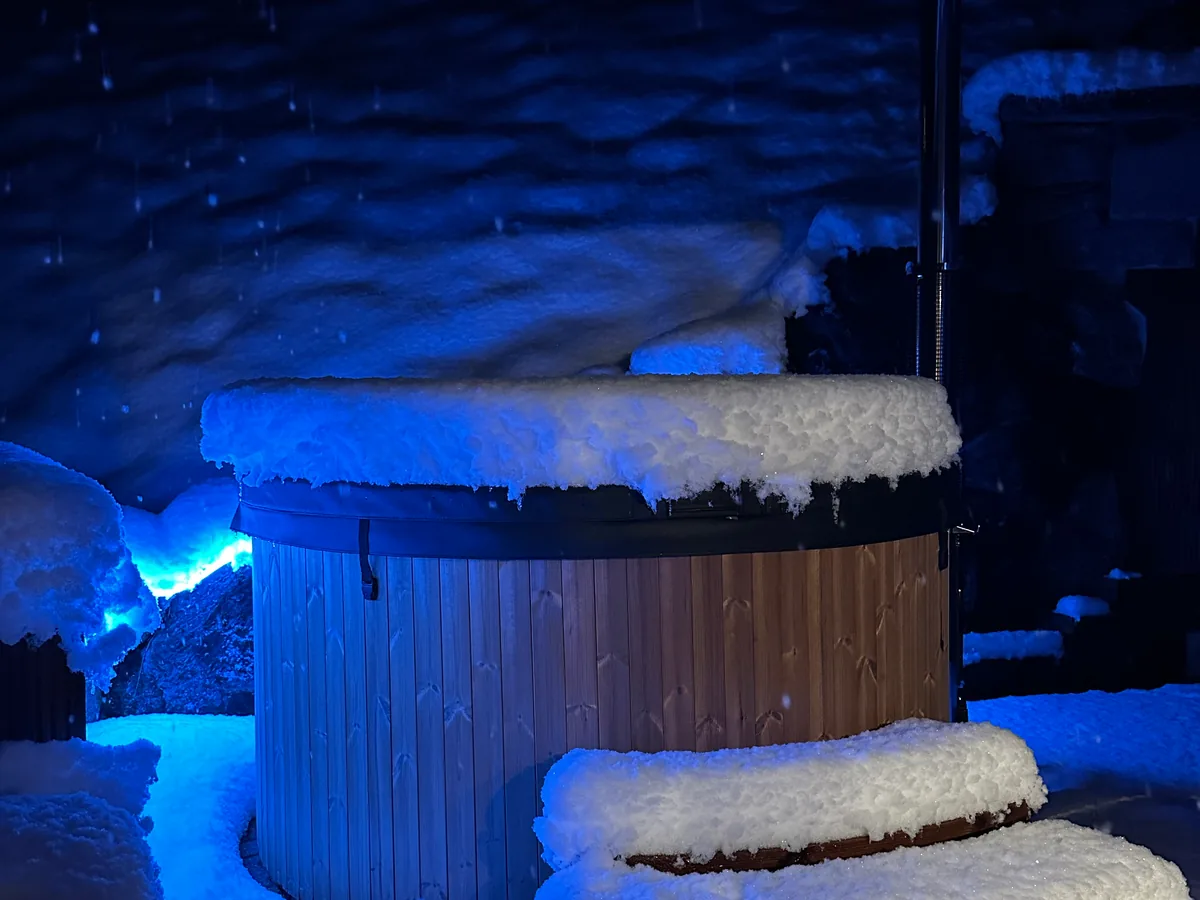
- Winter (Nov–Mar): cold, short valley-floor daylight, real fog risk down low, but reliable snow and sun up high.
What to pack
Layers and a waterproof, whatever the month. The valley can be cold and damp while the slopes above are bright and mild; you want to be ready for both in the same day.